Your kid has everything it takes.
Their mind just hasn't been trained to match it.
You know your kid has more in them. You see it in the moments when something catches their attention and they come alive. The potential is there.
But that is not what you are seeing most of the time.
Your kid sits down to do their homework. You check on them twenty minutes later, they are somewhere else entirely. Not because they are lazy, because nobody ever taught them how to bring their attention back when it drifts.
Their teacher emails you. You have the same conversation with your kid that you have had ten times. It lands for a day or two, then the pattern returns.
You try to talk to them about it and they shut down or maybe explode. And underneath the frustration you can feel something quieter happening, their confidence is eroding. Not dramatically, but slowly the way it would for anyone who keeps trying and cannot figure out why it is not working.
You have pushed and encouraged and reasoned and given consequences. Some days it works. Most days it feels like you are speaking a language they cannot hear.
Every single thing you are watching happen is a symptom of one thing. Their mind was never trained.
Here is what changes with CONDUCTR Youth
They notice when their attention gets pulled and they bring it back, because now they have a trained response for it.
They walk into a test, a game, or a performance that used to shut them down and they build the state they need before it starts. Not hoping they feel ready. Designing it.
They get a bad grade and they feel it. But within an hour, sometimes faster, they have made a decision about their next move. A year ago that same moment might have cost them a week.
You try to talk to them about something hard and they stay in the conversation. They listen. They respond instead of react.
They start knowing who they are before the moment decides for them, in the moments that used to cost them the most.
The relationship between you changes too. Less of you pushing and more of them conducting their own energy.
Not their attitude, effort or motivation. The mind running all of it was left to chance.
School teaches them what to think but how much does it focus on HOW to think? So when pressure shows up, when the test is tomorrow or the game is today or the comment from another kid lands wrong, there is no trained response waiting.
Every kid reacts, that is human. The difference is what happens next. An untrained mind gets swept up in the reaction and stays there, sometimes for hours, sometimes for days. A trained mind moves through it and gets back on track.
That recovery time is the skill. That is what CONDUCTR builds.
This is for your child if:
They are between 10 and 18.
They have more in them than they're currently showing.
They struggle to focus, regulate their emotions, or bounce back from hard moments.
You've tried to help and it hasn't held.
And you're ready to give them the tools that change everything else.
Three pillars. Always working together.
Attention — They learn to choose what they focus on. Inside the classroom, inside conversations, inside their own head. Attention is a skill. It gets trained or it gets left to whatever pulls hardest.
State — They learn that how they feel is not something that just happens to them. Anxiety before a test. Frustration in an argument. The low feeling that makes starting anything feel impossible. All of it becomes something they can direct instead of something they have to survive.
Identity — They stop being defined by their worst moments and start operating from a chosen sense of who they are. Confidence becomes something they build, not something they wait to feel.
Why now.
Here is what nobody tells you about waiting.
Most adults figure this out eventually. After years of reacting to life, they hit a wall. So they start buying books, attending therapy, enrolling in program after program, trying to undo patterns that have been running since they were young. Trying to learn in their 30s and 40s what nobody taught them at 12.
That is the path an untrained mind puts people on. Decades of personal development spent reverse engineering something that could have been built the first time.
Your child does not have to take that path.
The window to build this is open right now. The mind that learns to direct attention, regulate emotions, and operate from a chosen identity at 12, 14, or 16 is not the same mind that spends years trying to unlearn reactivity. They skip the long way around and start from a different place entirely. They carry these tools into every relationship, every pressure moment, every season of life that is coming.
You found your way eventually. The question is how long you want your child to wait.
What is this worth?
One hour of 1:1 coaching with Michael costs adults $1,000.
Your child gets 12 live coaching calls, a full three-level curriculum, scenario cards built for real pressure situations, and a coached peer community for 90 days.
All of it for $497. One adult coaching session costs more than twice what this entire program costs.
How It Works
CONDUCTR Youth is a self-paced online program for ages 10 to 18, built inside a live coached community on Skool.
It takes about four minutes. It routes them to Level 1, 2, or 3 based on where they actually are, not their age. A 16 year old who has never done this work starts where the work will land. A 12 year old who is ready for depth goes there. The quiz does the sorting so the training actually sticks.
Each level covers Attention, State, and Identity at increasing depth. Level 1 builds the foundation. Level 2 adds pressure and consistency. Level 3 develops full ownership and on-demand control. Every exercise is delivered as a short video with written instruction on screen so students can follow along, rewatch, and apply it the same day.
Every level includes a set of scenario cards, situation-specific tools students can pull up when something hard is actually happening. Distracted before a test. Anxious before a game. Avoiding something they know they need to do. Each card tells them exactly what to do right now, in plain language, in the moment they need it.
After completing each level, students post a journal entry in the Real Talk section of the community. They read each other's entries. They find themselves in the experiences of kids who came before them. Most programs skip this. It is one of the most powerful parts of what CONDUCTR builds, the knowledge that they are not alone in this.
Attention. State. Identity. These are not concepts students learn once and forget. They are tools that get sharper the more they are used and more valuable the older they get.
What Parents Are Saying

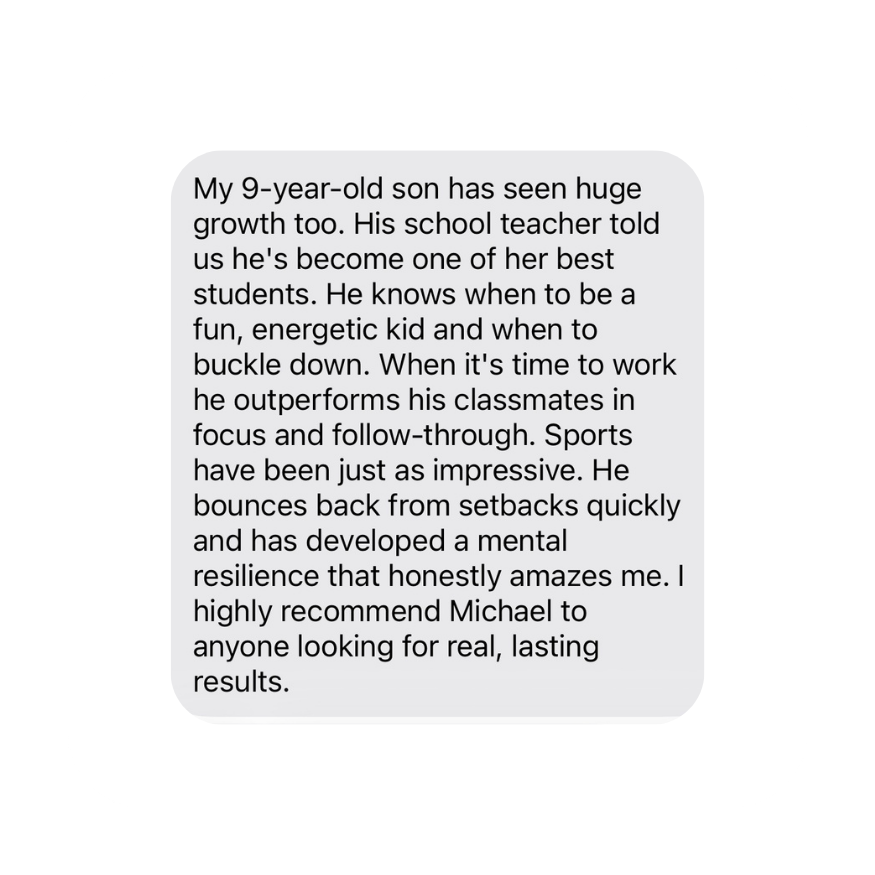
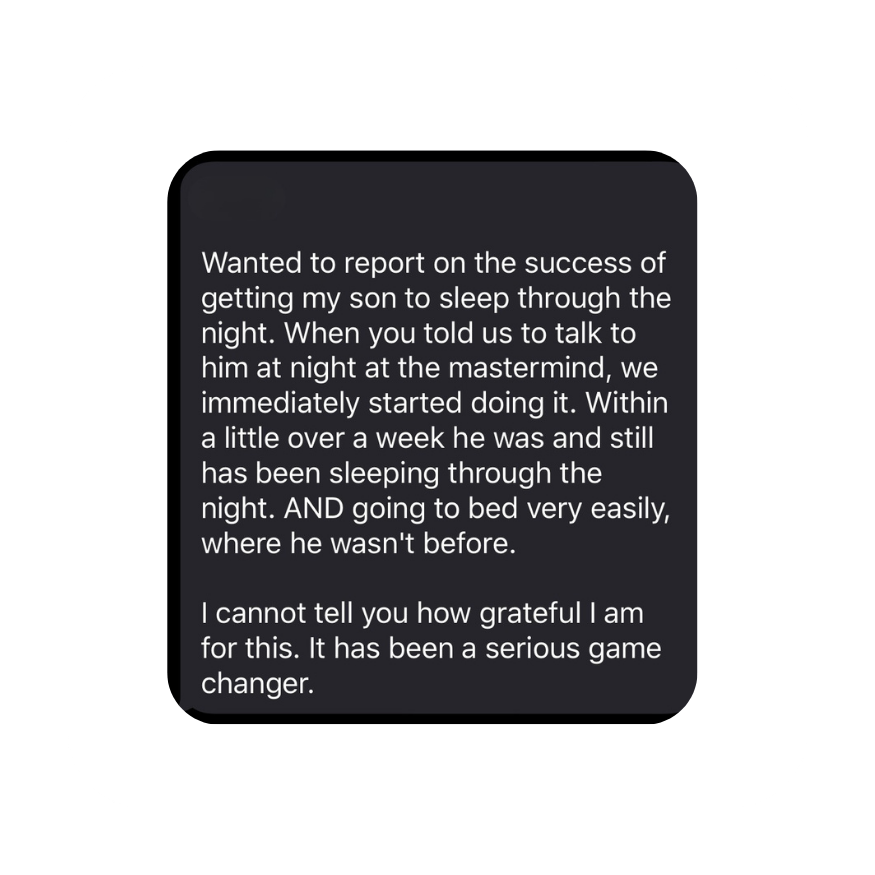
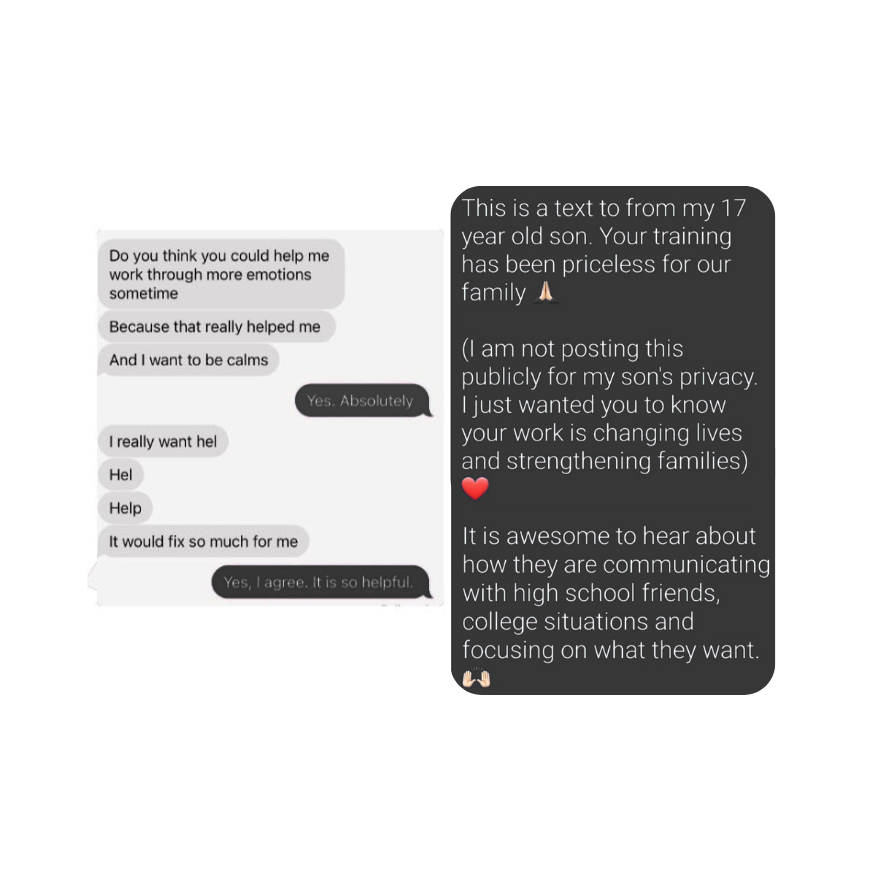
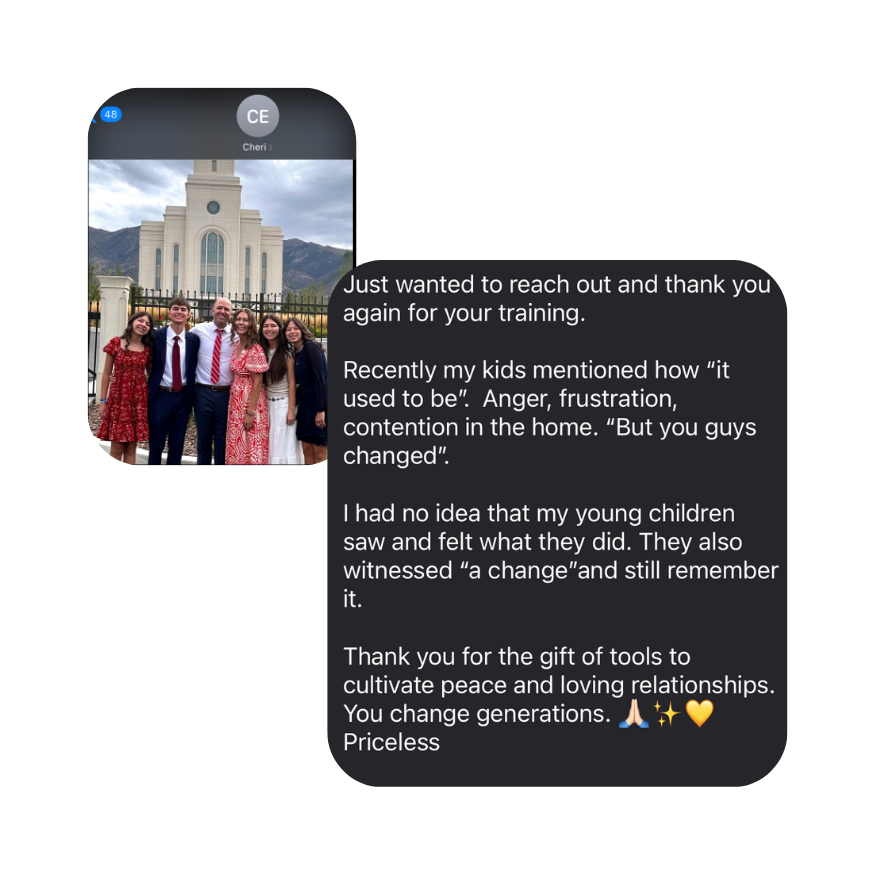
I built this for your kid. For my son. For every child who deserves to grow up with a trained mind before life makes them wish they had one.
The world looks different when an entire generation knows how to find gratitude, direct their energy, and move through hard moments without losing themselves. That future starts with one parent saying yes.
I hope it starts with you.
Michael Mahoney
Founder, CONDUCTR
The skills you wish you had at their age. Available to them right now.
You already know something needs to change. When you are ready, we are here.